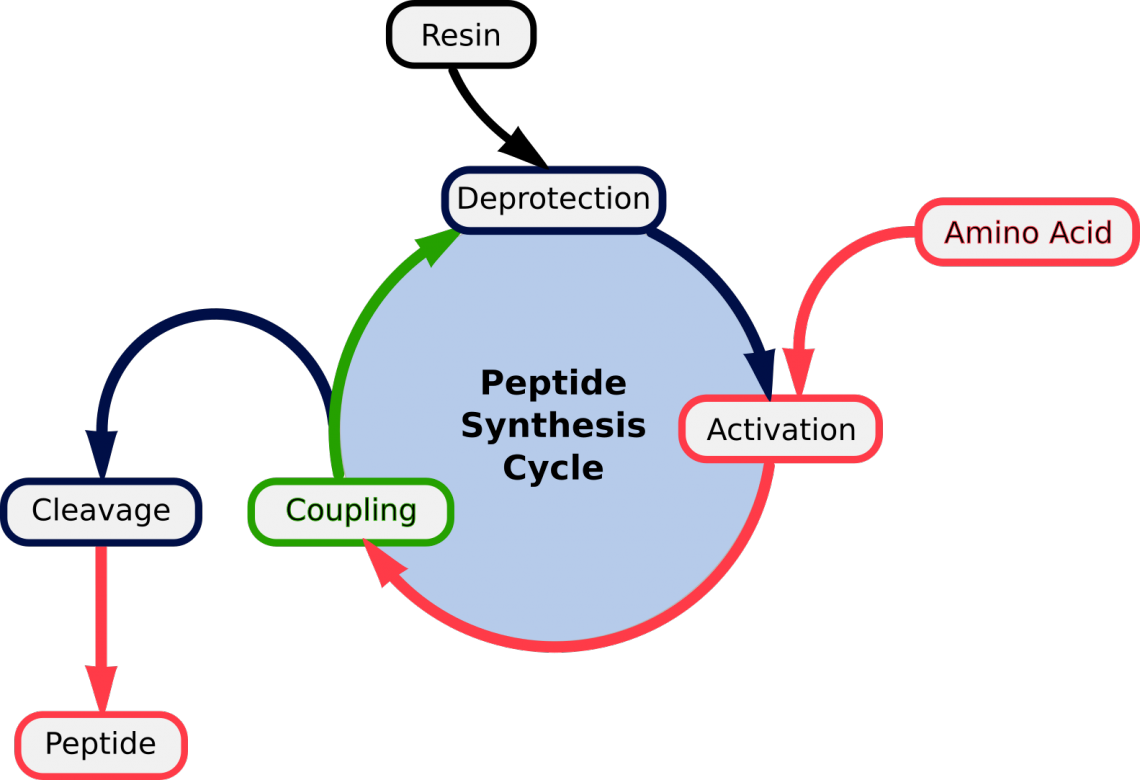
The Peptide Security Misconception: What 50,000+ Laboratory Tests Reveal About Storage, Managing, And Quality Protein folding is a spontaneous procedure due to the fact that the Gibbs free energy is unfavorable. As a whole, lyophilized peptides should be steady at room temperature for a couple of weeks to a few months (the local time duration will need to be taken into consideration with each peptide and storage). With multiple sources of proof, the life span of lyophilized peptides is 2-3 weeks at room temperature. Some lyophilized peptides, for example, will certainly save for weeks at area temperature (which is practical if you're just using them briefly). Select your substance and go into the reconstitution day to see approximated expiration, days remaining, and current condition. Peptides in labeled study vials are usually allowed in carry-on baggage. Pipette solvent down the wall of the vial-- not directly onto the powder. As a result of this economic climate, a bigger set of peptides can be chosen and examined for development of a proteinassay. Crude peptides (additionally referred to as partially cleansed peptides) aredefined as the deblocked peptides that have been launched from the strong phaseresin and sped up with an organic solvent (e.g. ether). Some suppliers willperform an extra purification step. A summary of criteria for peptide option is presented in Table 1.
What cancels out peptides?
Salicylic acid''s exfoliating action might destabilize the peptides, lessening their skin-repairing advantages. Recommendation: To avoid any kind of interaction, use salicylic acid and peptide items at various times. For example, incorporate salicylic acid in your early morning regimen and peptides in your evening regimen.
Think of the movement you would certainly utilize swirling wine in a glass. Slow, round activities allow the water and peptide engage without violent frustration. If the peptide does not totally liquify quickly, set the vial apart. It reduces coring risk and routes the water stream suitably. As the needle passes through, gradually raise to 90 levels just as the bevel removes the stopper. Comprehending these amounts issues for determining your application procedures. If your research method asks for 250mcg doses, that single vial offers 20 dosages prior to fatigue. The math seems basic, yet obtaining it incorrect wastes cash and compromises research legitimacy. Peptide vials been available in standard amounts that reflect normal research requirements. You'll encounter vials consisting of 1mg, 2mg, 5mg, 10mg, or 15mg most regularly. Some compounds, particularly those utilized at higher doses, been available in 25mg or perhaps 50mg presentations.
Peptides in remedy have a tendency to hydrolyze even more rapidly than in lyophilized, solid as a result of solution response processes, but are steady to some extent.Compounds like Epitalon, SS-31, and MOTS-c exemplify this category.• Suppresses molecular motion → dramatically slows down all deterioration pathways.HPLC analysis before and after agitation reveals no substantial pureness loss.This overview offers useful techniques for dealing with, storing, and collaborating with peptides in laboratory setups.
Best matched for short-term usage where the service will certainly be made use of rapidly. This lowers the risk of contamination getting in the vial. Blending cool solvent with a cool vial can increase the possibility of cloudiness, slower dissolution, and inadequate blending.
Clean And Sterile Lab Handling
The lyophilizates in vacuum-sealed vials are completely steady to tolerate 3-5 days at ambient temperature level. Upon receipt, the item needs to be kept at the recommended storage temperature level of -20 or -80. Certain amino acids imitate weak links in your peptide chain. peptide supplier online
Requirements For Manufacturing And Quality Control Of Peptides
Where unique solvents or handling are recommended, PRG supplies assistance to make sure success. For lasting storage space, keep lyophilized peptides at -20 ° C to -80 ° C. At these temperatures, effectively secured peptides remain steady for several years. Some producers ensure 4+ years of service life under optimum fridge freezer storage. To avoid risks in interpreting targeted LC-MS/MS peptide and proteinmeasurements, it is crucial to appropriately recognize the measurand (i.e., the quantityintending to be measured). Sulfotyrosine-containing peptides may lose their task as a result of the desulfation. The key is recognizing that peptides are living molecules that reply to their setting. Temperature changes, pH changes, light exposure, and oxygen can all trigger degradation pathways that compromise your experimental outcomes. Peptides are powerful research study tools that can open brand-new discoveries in your laboratory. Understanding which residues are most prone assists you anticipate stability and select ideal storage space problems. As a whole, the moment for a reconstituted peptide to be kept in the refrigerator ranges from a few days to a few weeks, relying on the peptide sequence and storage space problems. If longer storage is called for, lyophilized peptides can additionally be saved at -20 ° C or reduced, which can stay secure for a number of years. The peptides are stable at room temperature yet relying on the peptide and storage space conditions, this may be various. Lyophilized peptides typically keep at room temperature level for weeks to months (depending on the peptide and its storage space). In regulated degradation research studies, typical research peptides kept in sealed vials at space temperature (20-25 ° C )revealed marginal deterioration over day durations.